The rhythm of life on Rodrigues island feels like a whispered secret in an ocean of noise. While much of the world races forward, this remote speck in the Indian Ocean moves to the quiet pulse of tides, trade winds, and unhurried conversations under swaying palms. It’s not just a destination-it’s a recalibration. Far from the polished resorts and curated experiences of more visited shores, Rodrigues offers something increasingly rare: authenticity that doesn’t perform for cameras. Here, you won’t find grand lobbies or digital check-ins, but you will find smiles that mean something, paths worn by bare feet, and a sense of place so intact it feels like stepping into a world that time forgot. This is where travel returns to its essence-discovery, not convenience.
The Soul of the Mascarenes: Why Rodrigues Stands Apart
A Preserved Cultural Heritage
Rodrigues isn’t merely geographically isolated-it’s culturally distinct. With a population of just over 40,000, the island has nurtured a way of life shaped by self-reliance, resilience, and deep community ties. The people, known as Rodriguans, speak a unique Creole dialect and maintain traditions passed down for generations. Life here unfolds at a human pace: fishing boats are still crafted by hand, homes are built with local stone and timber, and meals are shared around family tables long after the sun sets. This isn’t tourism designed for spectacle; it’s a living culture that welcomes visitors with warmth but doesn’t contort itself to please them. The island’s remoteness has acted as a shield, preserving a rhythm and authenticity that many travelers now seek but rarely find.
Transitioning from Adventure to Refinement
After days of hiking rugged trails and sleeping under star-filled skies, many travelers choose to ease back into comfort by crossing the waves to the main island. The flight from Rodrigues to Mauritius takes less than two hours, offering a seamless bridge between raw exploration and refined relaxation. While exploring the rustic charm of the outer islands, many travelers choose to conclude their journey by retreating to a luxury hotel in Mauritius for ultimate comfort. These transitions aren’t about escaping simplicity, but about balancing it-finding harmony between the untamed and the serene, the wild and the well-appointed. It’s a rhythm that mirrors the journey itself: outward adventure, inward restoration.
Coastal Treasures and Pristine Beaches
The Wild Beauty of Anse Ally and Trou d'Argent
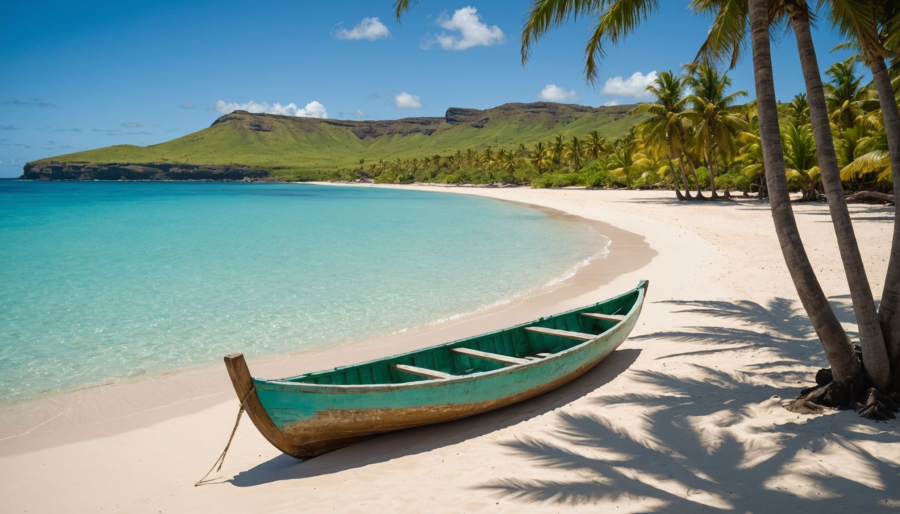
Some beaches are postcard-perfect; others are soul-stirring. Anse Ally and Trou d’Argent belong to the latter. Reached by foot or 4x4 along winding trails, these shores feel untouched by time. Anse Ally unfurls like a crescent of powdered sugar, framed by volcanic boulders and swaying palms. The water shifts from turquoise to deep sapphire, calm and clear, ideal for slow swims and quiet reflection. Trou d’Argent, often cited as one of the most beautiful beaches in the Indian Ocean, is a hidden cove accessible only by boat or a steep descent. Its dramatic backdrop of eroded cliffs and overhanging foliage gives it an almost mythical quality-like a secret the island reluctantly shares.
Exploring the Islets of the Lagoon
The turquoise halo surrounding Rodrigues isn’t just for show-it’s dotted with small islets that pulse with life. Boat excursions to Île aux Cocos and Île aux Sables offer glimpses of untouched ecosystems. Île aux Cocos, a nature reserve, is a haven for seabirds, including the rare red-tailed tropicbird. Its coral sands and coconut palms make it look like a dream, but its real value lies in its fragility and protection. Similarly, Île aux Sables offers shallow sandbanks perfect for wading and snorkeling, where reef fish dart between coral heads in water so clear it distorts depth. These excursions aren’t just scenic-they’re lessons in ecological stewardship, reminding visitors that beauty this pure demands respect.
Water Sports in a Vast Lagoon
The island’s expansive lagoon, sheltered by a fringing reef, creates ideal conditions for water sports. Kitesurfers flock here during the austral winter when steady trade winds sweep across the flats. The shallow, waist-deep waters make it a safe playground for beginners, while experienced riders chase longer lines and jumps along the open stretches. Windsurfing, too, thrives here, with consistent breezes and long runs. But beyond the adrenaline, the underwater world is equally compelling. Snorkeling reveals vibrant coral gardens, sea turtles gliding past, and occasional reef sharks patrolling the drop-offs. The lagoon isn’t just a body of water-it’s a living, breathing ecosystem that invites immersion.
Immersive Nature and Geological Wonders
The François Leguat Tortoise Reserve
Beneath its windswept exterior, Rodrigues holds a quiet miracle of conservation. The François Leguat Giant Tortoise and Cave Reserve is both a sanctuary and a rewilding project. Once home to now-extinct giant tortoises, the island has seen their descendants-Aldabra and Madagascar radiated tortoises-reintroduced to roam freely across 25 hectares of restored native forest. Walking among these slow-moving giants, their shells weathered by time, is a humbling experience. The reserve also nurtures rare endemic plants, some of which were thought lost forever. Trails wind through a canyon landscape, where limestone formations rise like ancient sentinels, and the air hums with the sound of geckos and rare birds.
Subterranean Mysteries: The Cave Systems
Beneath the surface, Rodrigues reveals another dimension. The Caverne Patate, a 600-meter-long volcanic tunnel, offers a journey into the island’s geological past. Lit only by headlamps, the cave unfolds in chambers adorned with stalactites and stalagmites, formed drop by drop over millennia. The air is cool and still, the silence broken only by the occasional drip of water. Local guides share stories of how early settlers used these caves for shelter, and how they once housed unique species now extinct. Exploring this subterranean world feels like stepping into a forgotten chapter of Earth’s story-silent, ancient, and profoundly still.
Inland Hiking and Panoramic Views
For those who seek elevation, both literal and metaphorical, the interior hills offer rewarding trails. Mont Limon, the island’s highest point, rises modestly but delivers a 360-degree panorama of the coastline, lagoon, and patchwork of fields below. The climb is steady but not severe, winding through scrubland and pockets of native forest. Along the way, hikers pass abandoned stone huts and terraced gardens, remnants of a subsistence lifestyle that still echoes in local memory. Reaching the summit at sunrise or sunset transforms the experience-the sky ablaze, the wind steady, the world laid out in miniature. It’s a moment of clarity, where the island’s scale and solitude become fully apparent.
- Sturdy hiking boots for rocky, uneven terrain
- Reef-safe sunscreen to protect marine life
- Reusable water bottles-plastic is banned on the island
- Local map or GPS offline download for trail navigation
- Camera or journal to capture the vistas and reflections
The Rodriguan Table: A Culinary Journey
Traditional Dishes and Local Ingredients
Food on Rodrigues is simple, honest, and deeply connected to the land and sea. The island’s famed octopus salad-tender, spiced with lime and chili, and tossed with onions and tomatoes-is a staple at family gatherings and seaside shacks alike. It’s not just a dish; it’s a celebration of what the ocean provides. Equally prized is Rodriguan honey, harvested from hives nestled in wildflower fields. Its rich, floral notes reflect the island’s unspoiled flora. Corn and red beans, grown in small plots across the interior, form the backbone of daily meals, often served with grilled fish or salted meat. There’s no pretense here-just food that nourishes, rooted in generations of resourcefulness.
Dining Like a Local
To eat like a Rodriguan is to be invited in. The capital, Port Mathurin, hosts a weekly market where vendors sell fresh produce, dried fish, and handmade crafts. It’s here that visitors can strike up conversations, sample local fruits like longan and guava, and perhaps be invited to a table d’hôte-a home-based dining experience where families open their kitchens to guests. These meals are unscripted: served on a backyard table, accompanied by rum punch, and filled with stories that stretch into the night. It’s not about fine china or wine pairings; it’s about connection. In a world of curated culinary experiences, this kind of authenticity is increasingly rare-and all the more precious for it.
Practical Guide to Your Island Escape
Best Time to Visit and Seasonality
Rodrigues enjoys a tropical climate, but its location east of Mauritius gives it a slightly different rhythm. The warmest, driest months-generally from September to November-offer the most stable conditions for hiking, diving, and exploring. Winds can be brisk, especially in the southern zones, which is excellent news for kitesurfers but may challenge casual beachgoers. The rainy season, peaking between January and March, brings brief but intense showers, followed by clear skies. Cyclones are possible during this period, though the island’s topography offers some protection. For most travelers, the shoulder months-October or April-deliver the best balance of sunshine, calm seas, and fewer crowds.
Getting Around the Island
The island is small-just 79 square kilometers-but its terrain is varied. Renting a 4x4 is the most practical way to explore, especially when venturing to remote beaches or inland trails. Local buses run on a limited schedule and are affordable, but infrequent. For the adventurous, cycling is possible on paved roads, though headwinds can be unforgiving. Walking between villages is common among locals and increasingly popular with visitors who want to move slowly and see more. The lack of traffic and abundance of footpaths make it one of the few places where true, unhurried exploration is still possible.
Accommodation Options Compared
| Stay Type | Key Benefit | Ideal For |
|---|---|---|
| Guest Houses | Authenticity & budget-friendly rates | Travelers seeking local interaction and cultural immersion |
| Eco-lodges | Proximity to nature & sustainable design | Eco-conscious guests and hikers |
| Boutique Hotels | Comfort, privacy, and personalized service | Couples and those wanting refined amenities |
Frequently Asked Questions
Are there specific local customs visitors should respect during their stay?
Yes, modest dress is appreciated when visiting villages or attending local events. Greetings are important-taking a moment to say “Bonjour” or “Salam” goes a long way. Locals value politeness and mutual respect, so a simple smile and “merci” can deepen your experience.
What is the alternative to flying if I want to reach Rodrigues from Mauritius?
There is a cargo-passenger ship that sails between Mauritius and Rodrigues, offering a 36-hour journey. While slower, it’s a budget-friendly and scenic option for travelers who don’t mind a more adventurous route.
How has the island's commitment to plastic-free tourism evolved recently?
Rodrigues has enforced a strict ban on single-use plastic bags and encourages reusable containers. This initiative reflects a broader commitment to sustainability, with many shops and restaurants using eco-friendly packaging.
Is a weekend trip enough, or should I stay longer to see the main sites?
A weekend is possible but tight. For a meaningful experience, a stay of 4 to 5 days is recommended. This allows time to explore the coast, visit the tortoise reserve, hike inland, and simply absorb the island’s rhythm.
